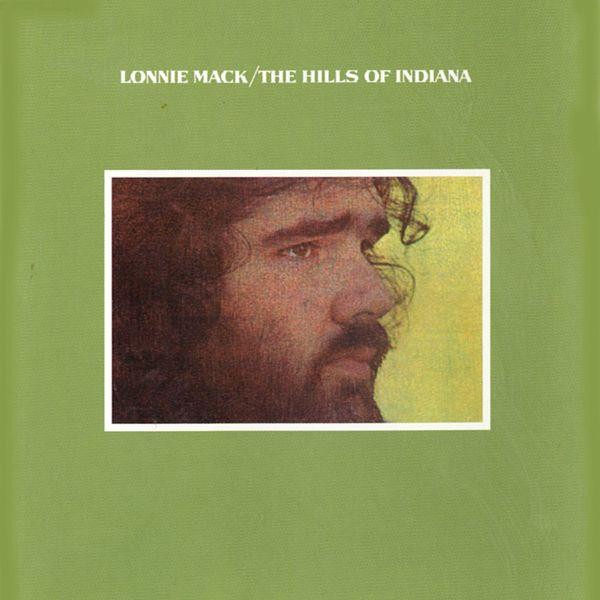
1971 Elektra
US Pressung
die cut Cover - also Ausschnitt, durch die man die bedruckte Innenhülle sehen kann
kleiner cut out unten rechts
der Rücken wurde akkurat mit einem Strerifen Tesa geklebt
The Hills of Indiana ist ein 1971 veröffentlichtes Studioalbum des US-amerikanischen Gitarristen und Sängers Lonnie Mack. Es erschien über das Label Elektra Records und markierte seinen dritten und letzten Release für diese Plattenfirma.
Anstelle seines typischen, gitarrenlastigen Blues-Rock- und R&B-Stils setzt das Album auf entspannten Country-Rock und Roots-Rock. Lonnie Mack produzierte die Platte gemeinsam mit Russ Miller. An den Aufnahmen wirkten namhafte Studiomusiker wie Don Nix, Norbert Putnam, Kenny Buttrey, David Hood und Roger Hawkins mit.
Das Album umfasst zwölf Stücke, darunter eigene Kompositionen, der autobiografische Titelsong sowie Coverversionen von Bob Dylan (The Man in Me) und Bill Monroe (Uncle Pen).
„The third and last album that Lonnie Mack recorded for Elektra in his brief stint with the label in the late '60s and early '70s, The Hills of Indiana must have surprised quite a few listeners familiar with his earlier work. There were little of the blues-rock-R&B-oriented guitar fireworks that many of his earlier recordings had boasted. In contrast, it was a pretty laid-back affair with plenty of roots rock, country-rock, and early-'70s singer/songwriter influences. Steel guitar and fiddle augmented the usual rock lineup, string and horn arrangements were devised by Norbert Putnam (who played bass on much of the record), and there were liberal touches of gospel in the songwriting, singing, and occasional background vocals. The set was divided between collaborative compositions between Mack and Don Nix (who sang lead vocal on "Three Angels") and covers of songs by Carole King, Bob Dylan, Mickey Newbury, Bill Monroe, and others. As with many early-'70s records -- including those of another early rock & roll guitar pioneer, Link Wray -- the influence of the Band's dignified Americana is substantial. At times it sounds a little like the Band crossed with some of early Elton John's most American-influenced material, perhaps with a pinch of John Fogerty. While this type of stuff might not be Mack's forte, actually it's quite respectable, if low-key, and sung with endearing, earnest conviction.“ (Allmusic Guide. 3 ½ stars)